For ZWO Seestar telescopes
Turn Seestar captures into finished astrophotographs.
Nocturne is a free, native app for macOS, Linux and Windows that guides you from stacked Seestar data to a finished image, with live previews, full undo, and no changes to your originals.
New to Nocturne? Start here: your first picture, step by step, with a free sample file.
This is where it happens
Step by step, with the whole picture always in view.
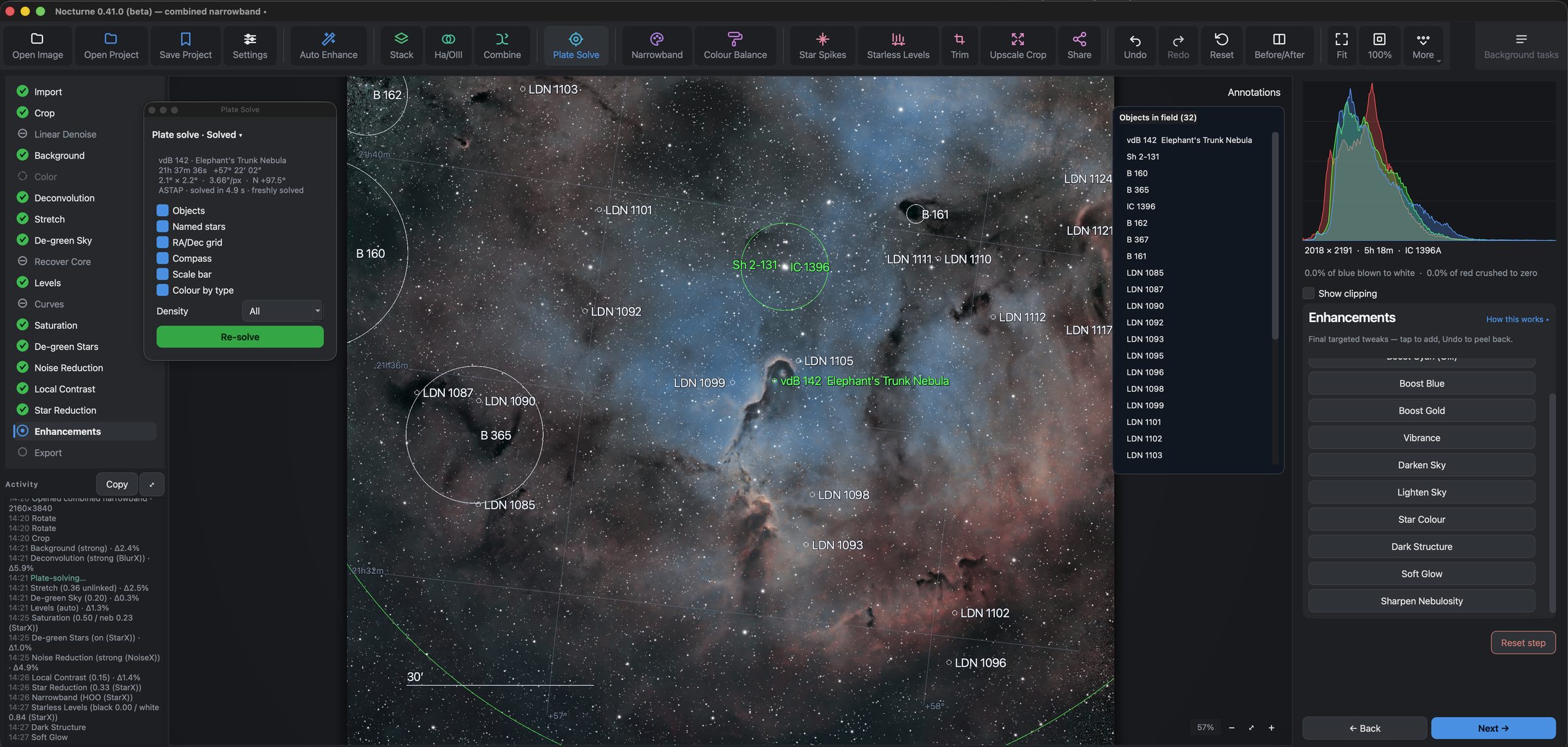
From raw subs to a finished image
A guided, non-destructive workflow with live previews and full undo at every step.
- Stack and grade raw subframes
- Assemble mosaics from multiple pointings
- Drizzle dithered frames 2×
- Balance colour using Gaia stars or an offline workflow
- Map Hα and OIII data to narrowband colour
- Remove gradients and noise with GraXpert or RC-Astro
- Reduce, colour, and style stars
- Choose a stretch from live previews of your own image
- Adjust curves and levels by channel and colour range
- Inspect pixels and clipping before export
- Save an edit as a preset for similar pictures
- Save recipes and process a folder consistently
- Create a captioned image ready to share
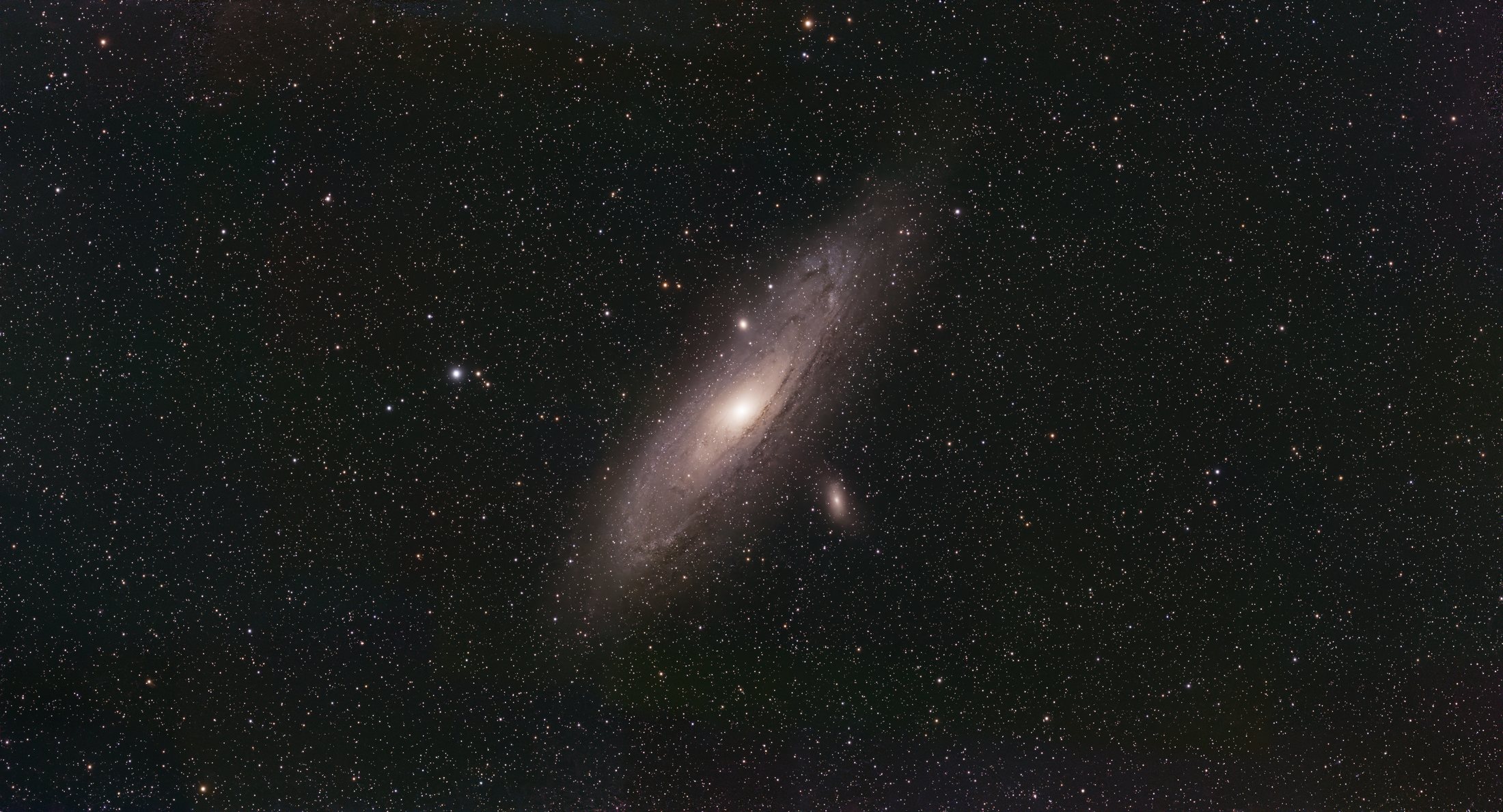
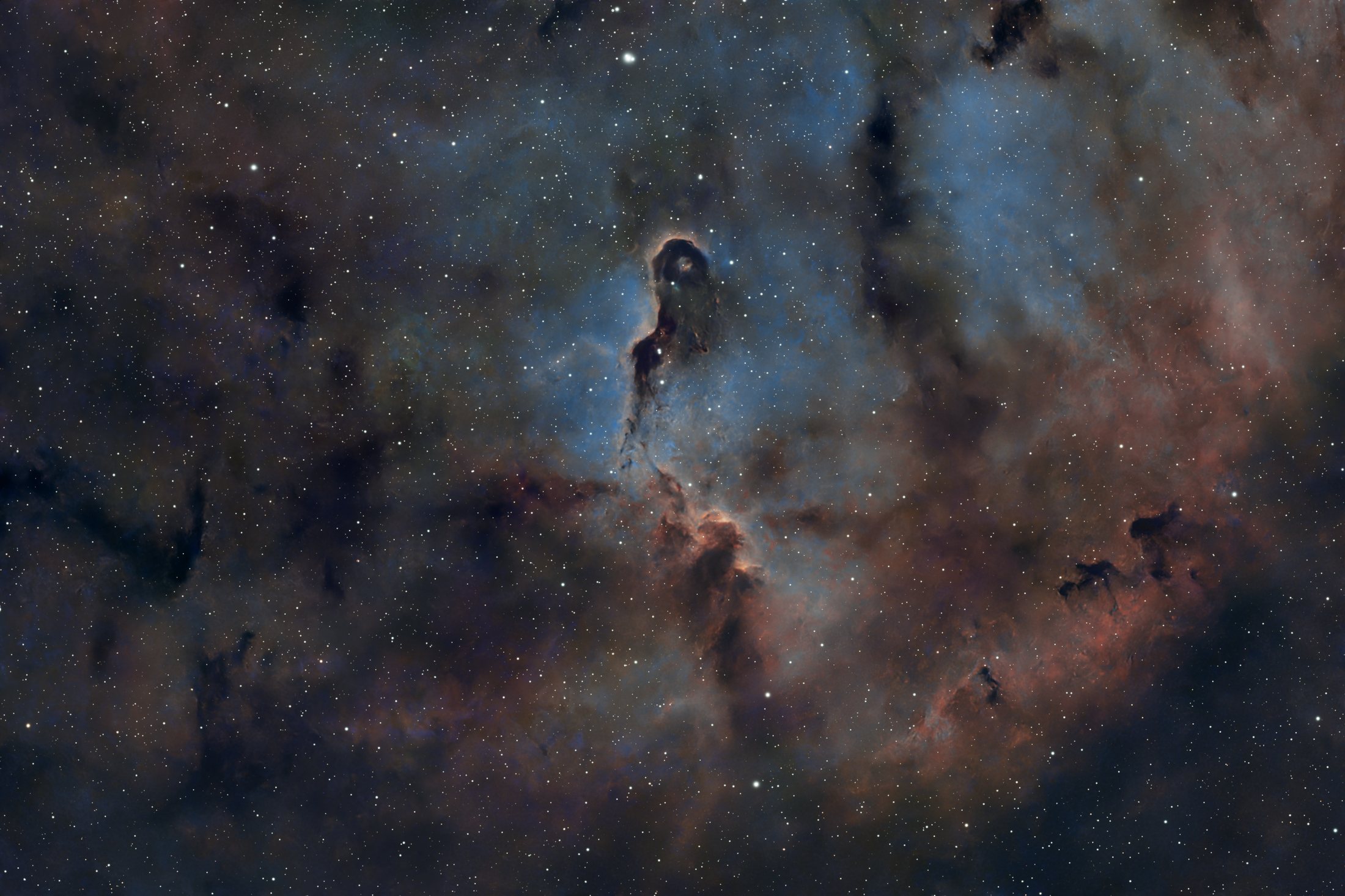
See what a Seestar stack can become
A single stacked frame, finished in Nocturne — broadband, or one-click narrowband.
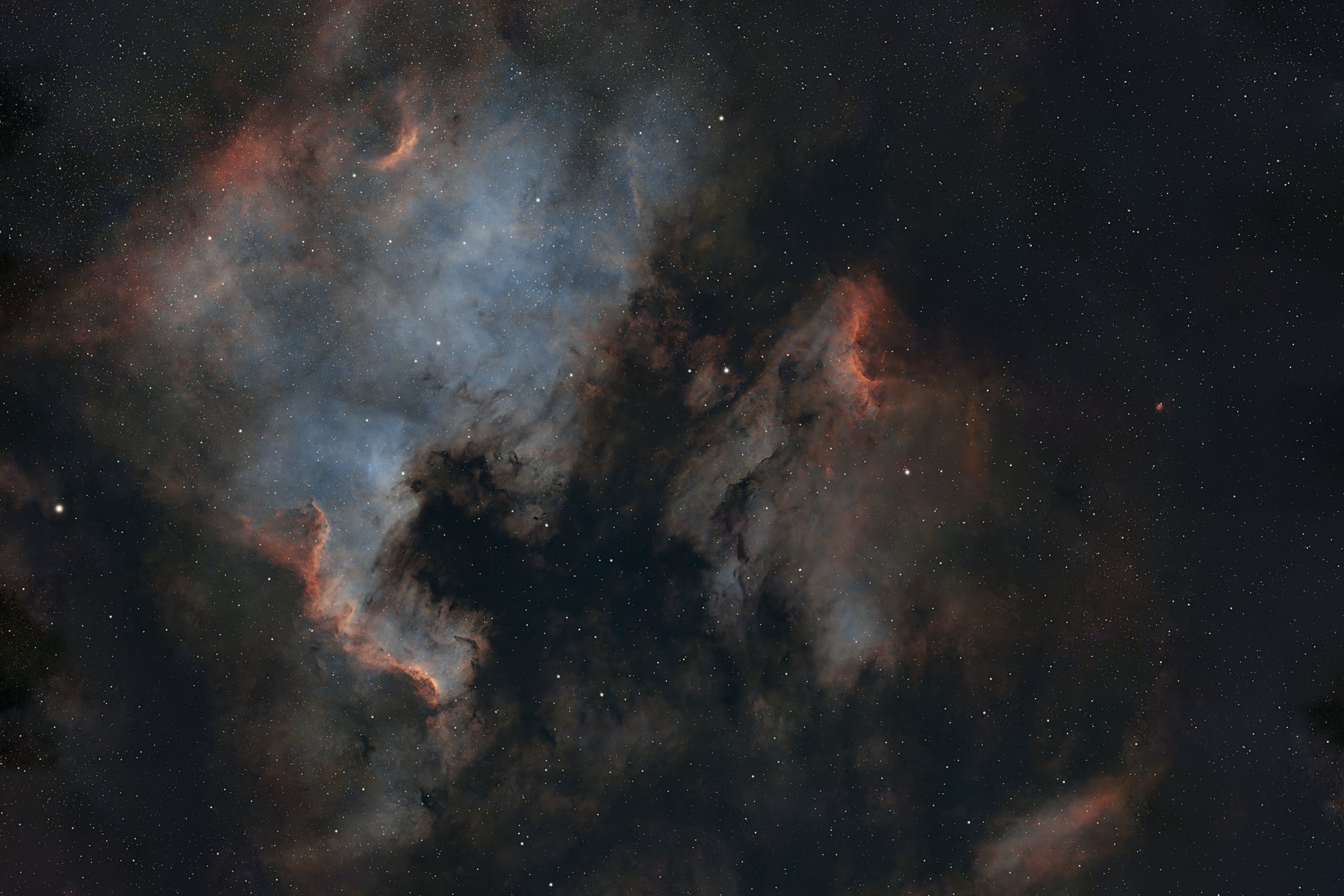
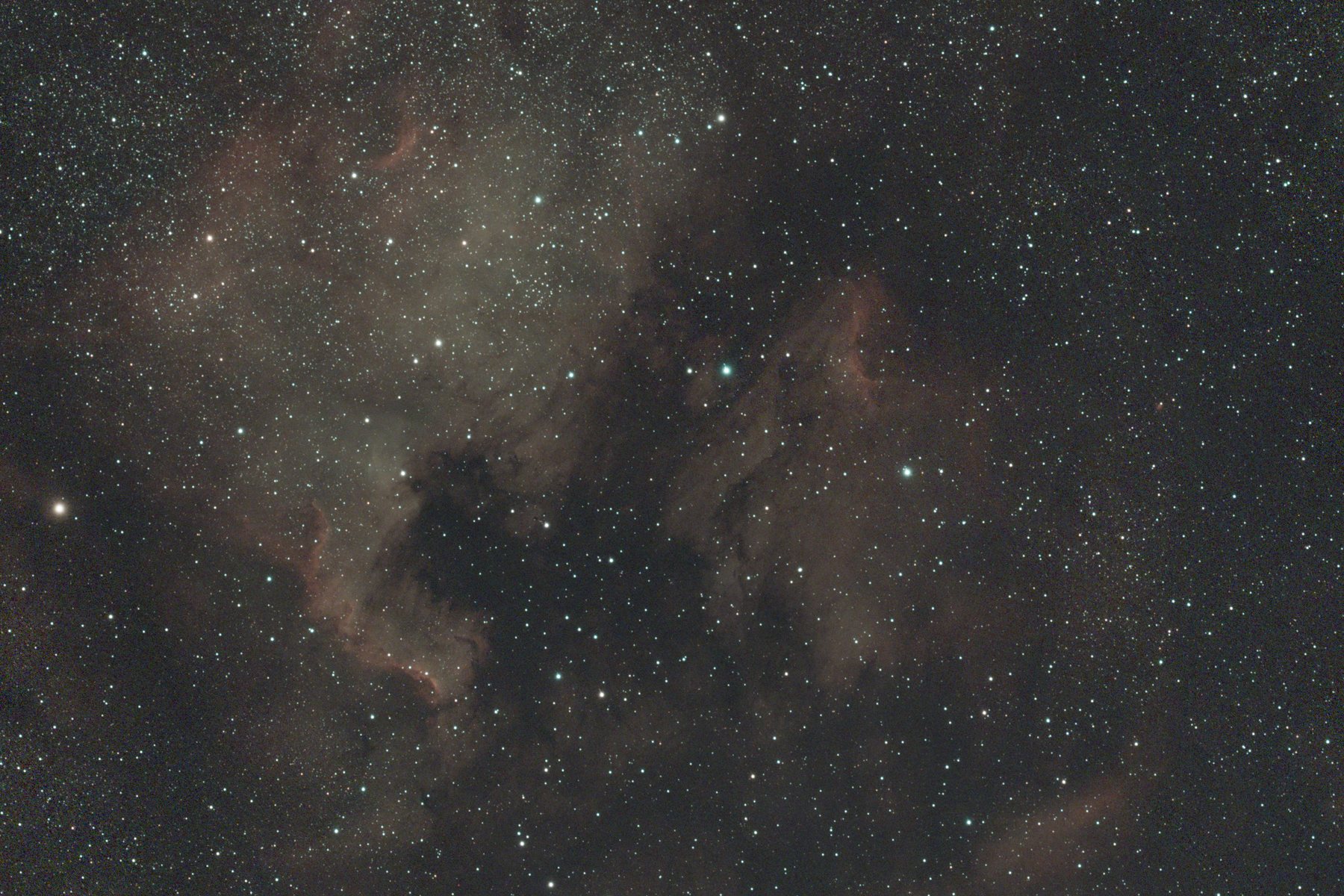 Raw stackNarrowband
NGC 7000 and IC 5070, the North America and Pelican nebulae. A Seestar mosaic of 947 frames, 2 h 40 min, from raw stack to narrowband colour.
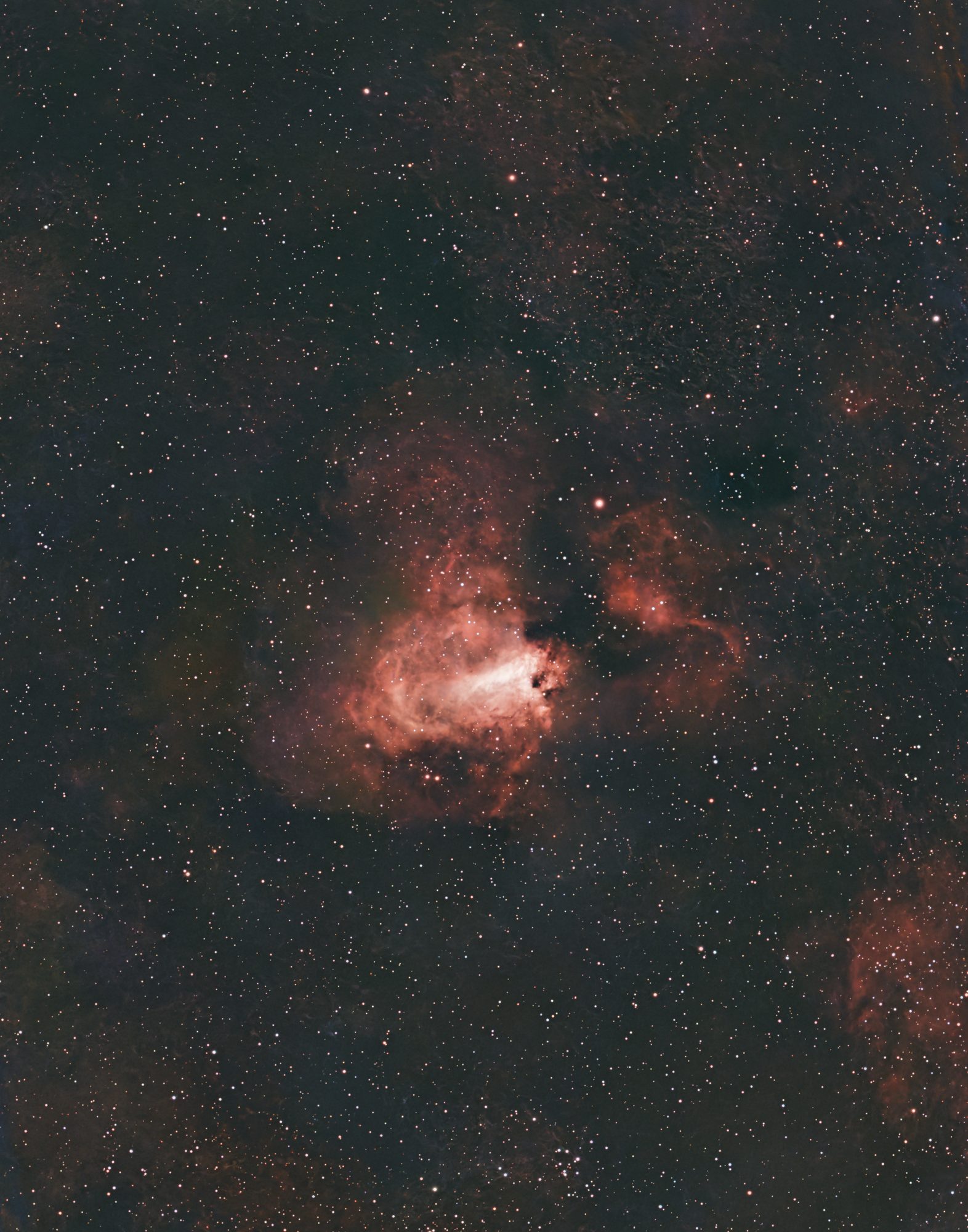
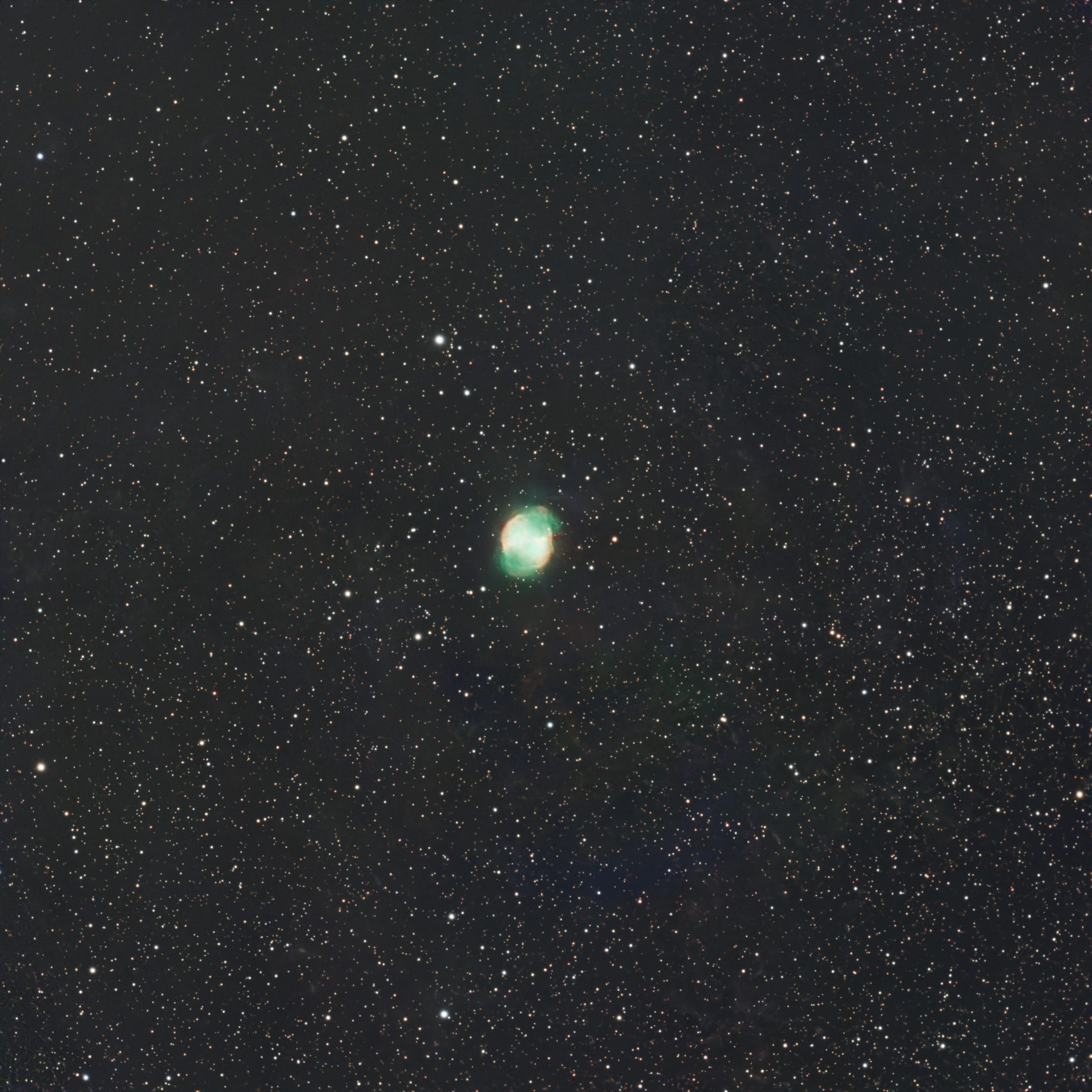
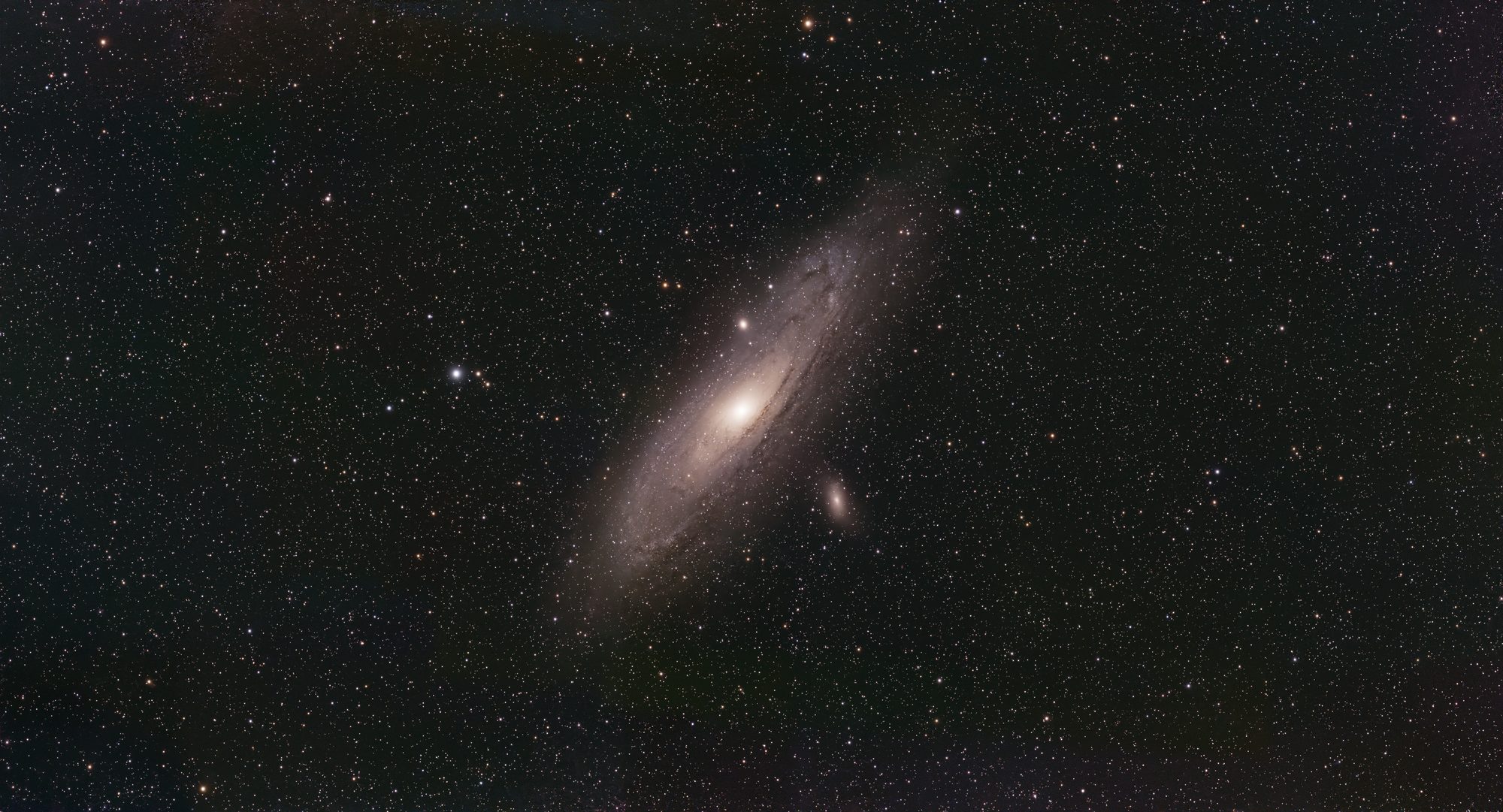
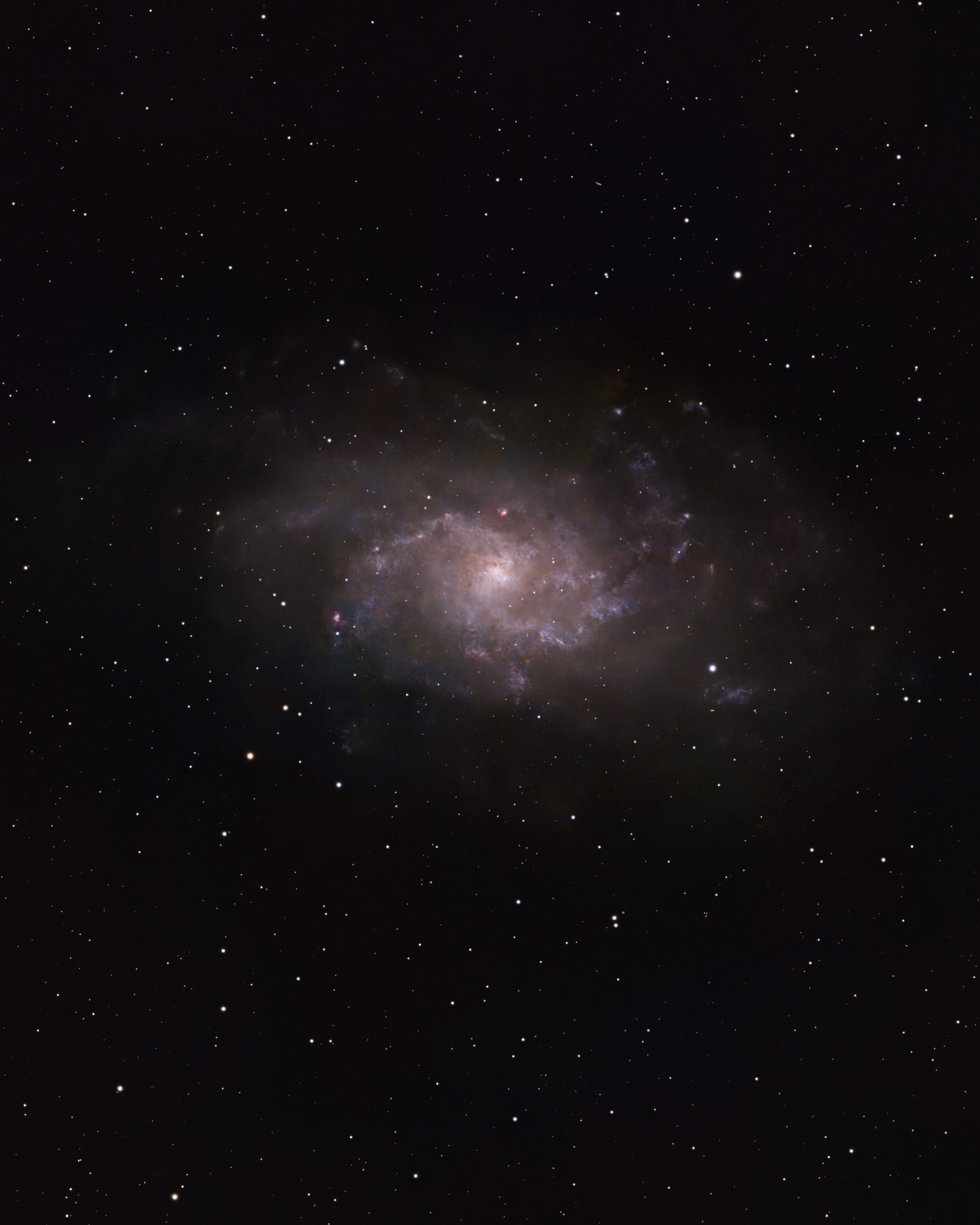
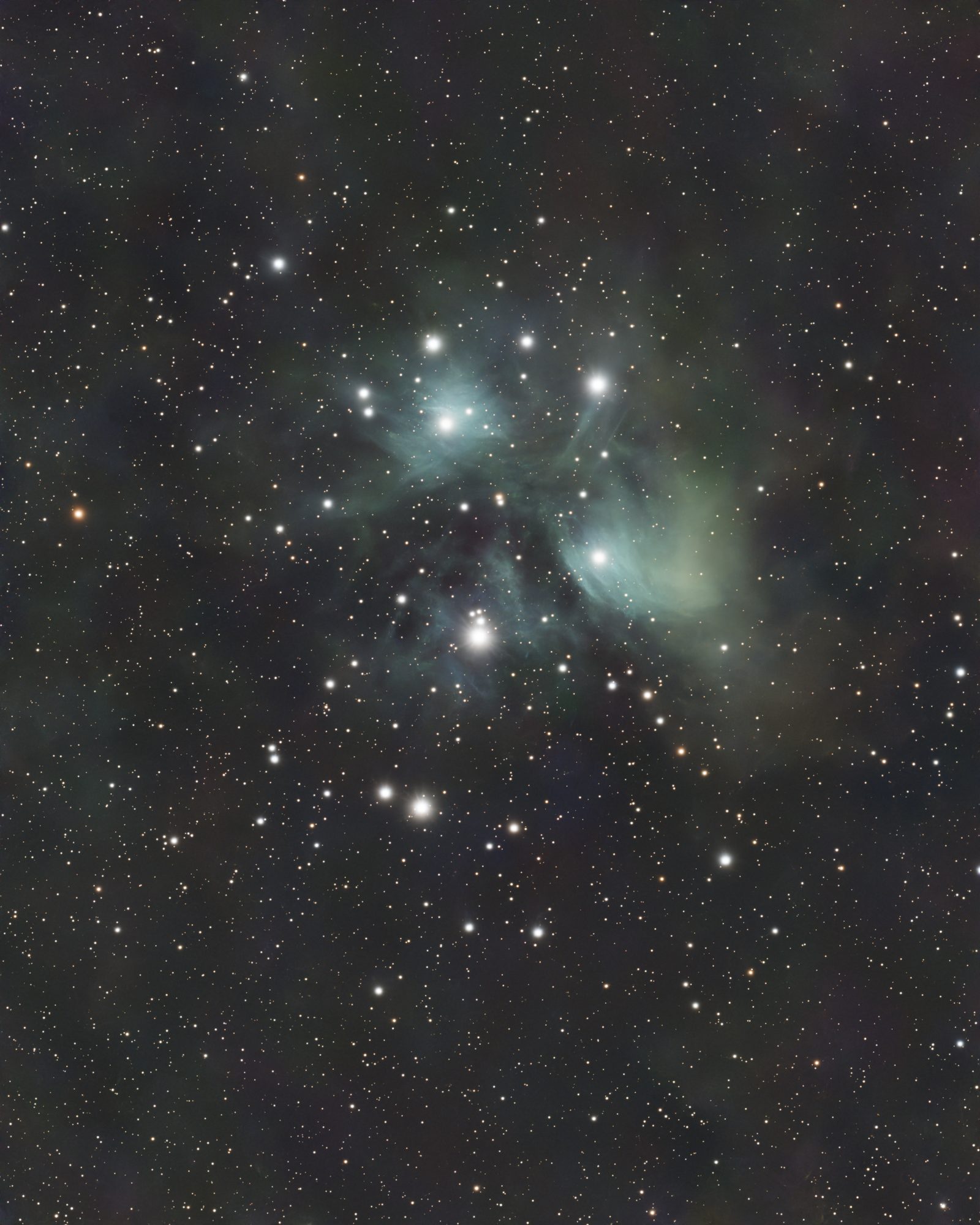
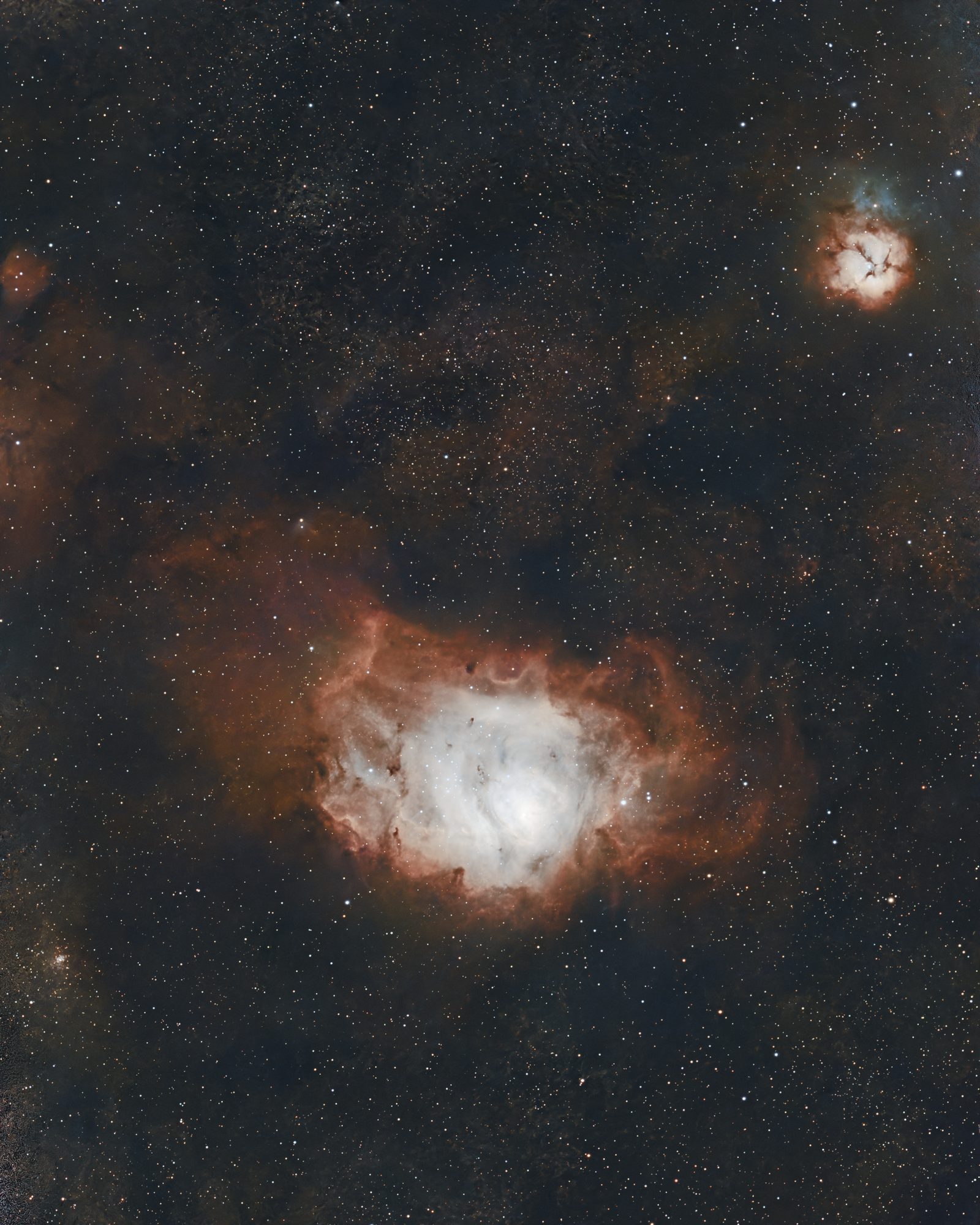
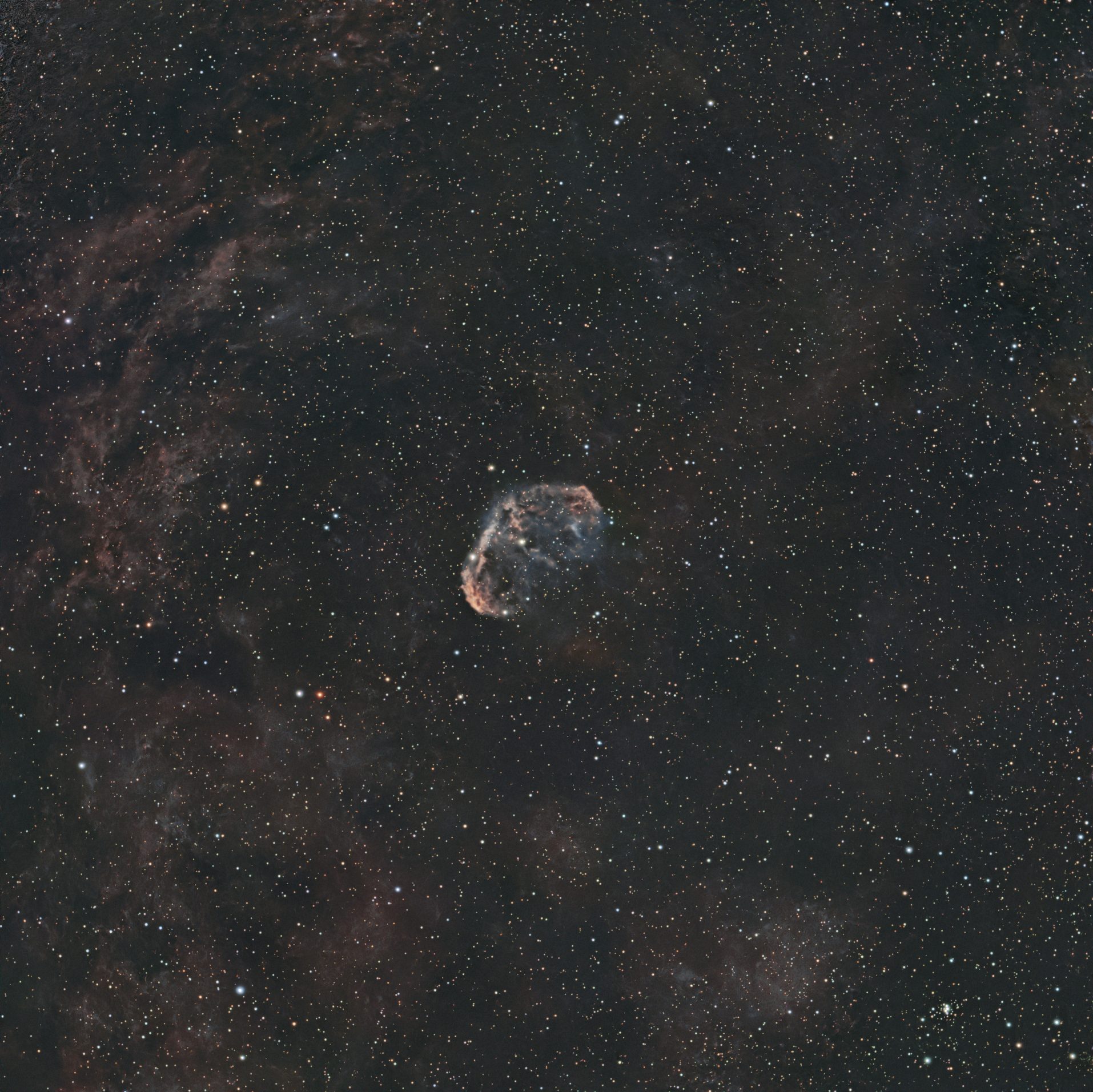
Click any image to enlarge. Every one shot on a ZWO Seestar and finished in Nocturne. See the full gallery →
Beginner-friendly by design
Nocturne explains the concepts as you go, so you learn while you process.
Linear → stretched
A raw stack looks almost black until it is stretched. Nocturne shows you a stretched preview from the start, and makes the stretch permanent only when you get to that step.
Dual-band → colour
Your Seestar’s light-pollution filter records two gases, Hα and OIII. One click turns that into a natural two-colour image.
Never destructive
Every step can be undone. Compare before and after, or jump back to any earlier step. Your original file is never changed.
What you need
GraXpert free
Removes gradients and light-pollution glow, and offers one of the noise-reduction options. It is free and quick to install, and the first tool worth adding.
StarNet2 free
Separates the stars from the rest of the image, which eleven of Nocturne’s steps and tools rely on, from Star Reduction to Narrowband. It is free. Without it, Nocturne uses its own simpler method, which leaves about twice as much of the stars behind.
ASTAP free optional
Adds plate solving: Nocturne can then name what is in your picture and label it. It is free; install it together with its D05 star database.
RC-Astro optional · paid
BlurXTerminator, NoiseXTerminator and StarXTerminator, for sharpening, noise reduction and star removal. Nocturne uses them if you have them. Every step also has a free alternative, so nothing depends on them.
These are separate programs that Nocturne works with; they are not bundled. Install & set up shows how to add each one. Nocturne is not affiliated with ZWO, GraXpert or RC-Astro. It was built by a Seestar owner who wanted a simpler way from capture to finished image.
Get Nocturne
Every release, every platform → · Nothing to process yet? Sample data — real Seestar captures, free to download.
macOS needs Apple Silicon (M1 or newer); there is no
Intel build. It is not notarized, so macOS blocks the first launch: click Done,
then Open Anyway under
System Settings → Privacy & Security.
Linux needs x86-64 and glibc 2.39 or newer, because it is built on Ubuntu 24.04.
Unpack the tarball anywhere and run Nocturne/Nocturne; nothing to install.
Windows needs 64-bit Windows 11. The installer asks for no administrator rights.
It is not signed yet, so Windows may show Windows protected your PC: click
More info, then Run anyway.
Full steps for each: Install & set up.
Lend your light
A stacked master from your own telescope helps test Nocturne on data it has not seen: other telescopes, EQ mounts, long stacks and difficult nights. If you give a name, Nocturne credits you as a Photon Donor.
The observing site is removed from the file’s header.
Send a stackEvery step is reversible, and the preview always equals what you export. If the screen shows it, the file has it.
A rule the whole app is built on